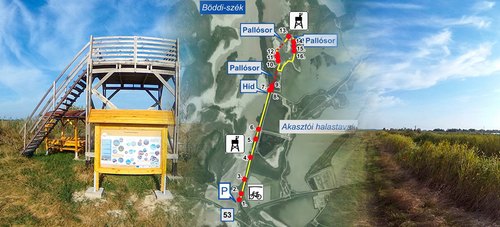
SÓBALLA TANÖSVÉNY
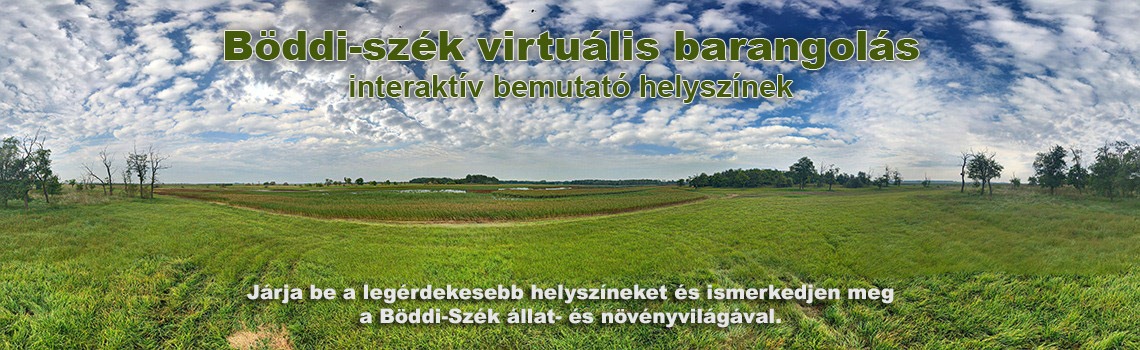
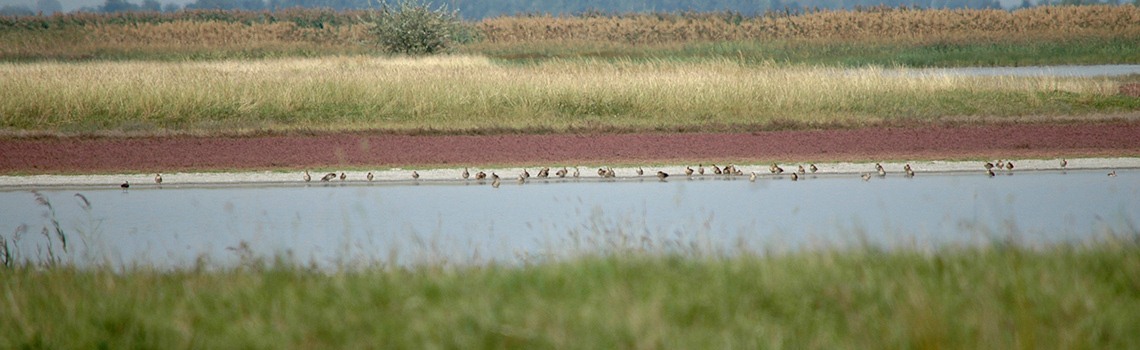
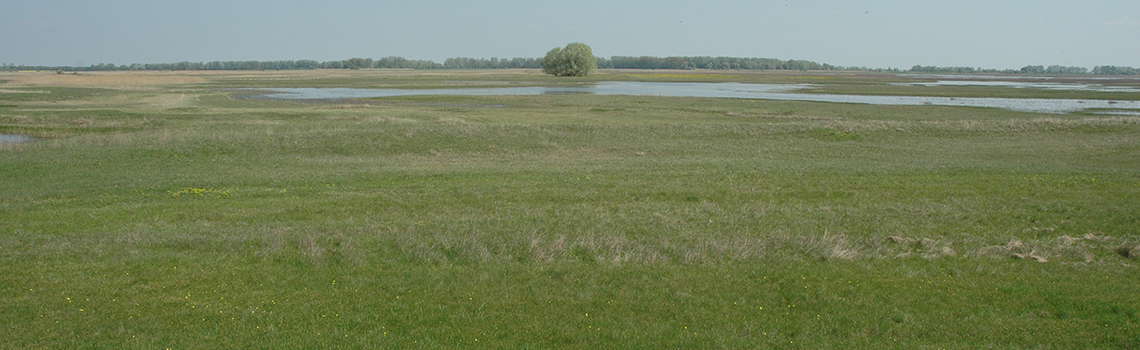
A Sóballa tanösvény a világviszonylatban egyedülálló pannon szikesek legfőbb elemét, a klasszikus fehér vizű szikes tavi vízi élőhely együttest és a környező szikes élőhelyeket, a jellemző növény és állatfajokat mutatja be élményszerűen közeli módon, a Böddi-szék peremén.
The project is supported by the financial contribution of
the LIFE+
fund of the European Union.

VIRTUAL WANDERING
GALLERY
PLANTS
Restoring the natural flow of water on the Böddi-szék – the bypass canal is complete
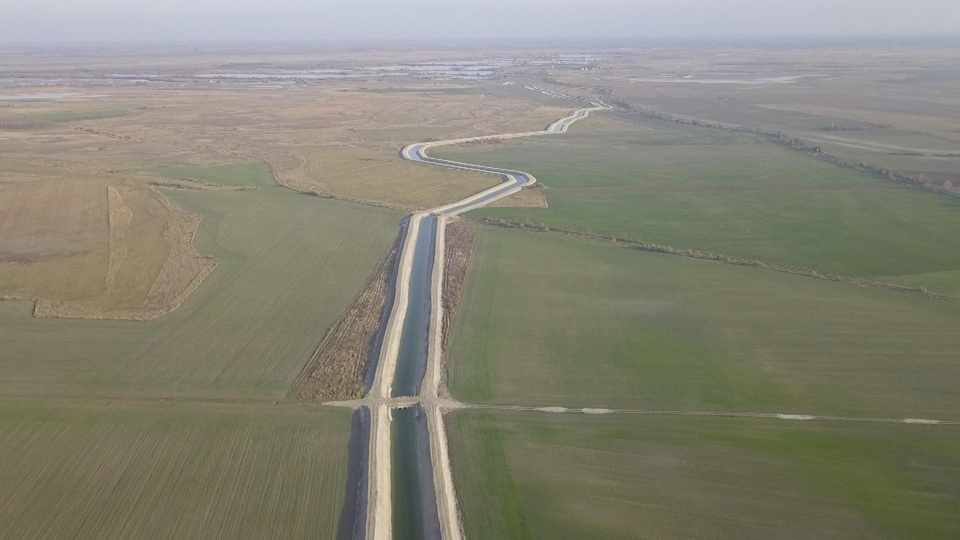
The project “ Restoration of Pannonic sodic wetlands in the Kiskunság” aims to restore the original water conditions and natural habitats in one of the most important seasonal saline lakes and watersheds in the Carpathian Basin, and has reached a significant milestone. The main objective of the project has been achieved, i.e. the new route of Canal V bypassing Böddi-szék has been built and is in operation, which has opened the opportunity to restore the bed of the soda pan crossed by the canal, in accordance with ecological aspects.
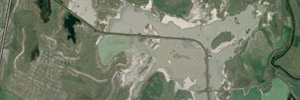
The Böddi-szék is a member of the Upper Kiskunság soda pan chain, part of the Natura 2000 habitat network, and a wetland of international importance. The saline lakebed and its adjacent marginal areas are very large in size, accounting for 18% of the open water surface seasonal saline lakes in Hungary.
The No. V (Sós-éri) canal and its branch canal system were built to drain inland waters and provide irrigation water. The canal was specifically routed through the centerline of the soda pan, unfortunately cutting the Böddi-szék bed in two, which was further separated by several other, no longer functioning ditches and branch canals, thus hindering the natural flow of water.
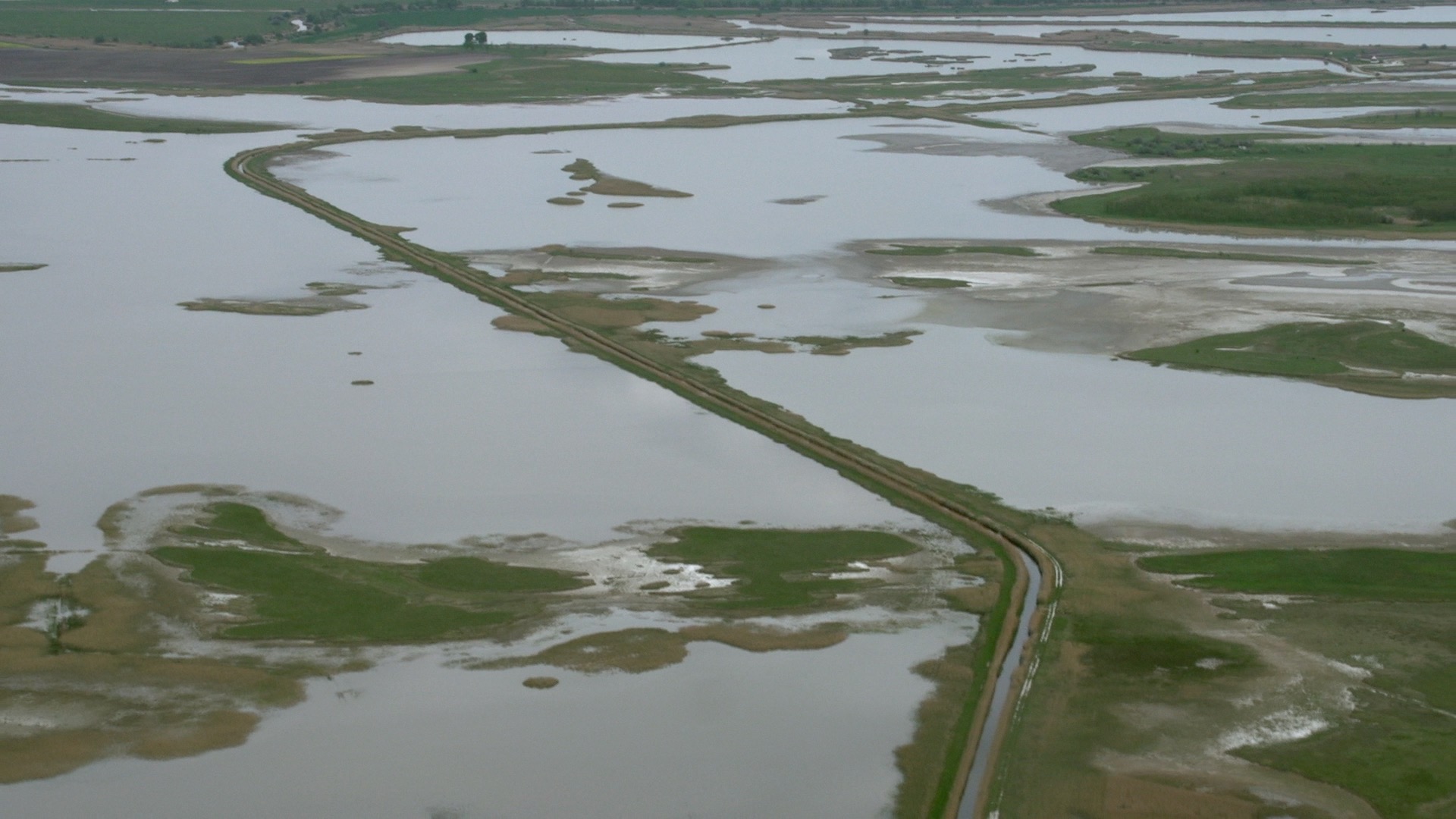
The canal served to drain inland waters in the spring, which also resulted in a significant water withdrawal effect in the lakebed. Due to the suction effect, the soda pan dried up sooner than under natural conditions. In the summer period – when soda pans would dry up naturally – the water of the high-water canal, falling through the lower sections of the landfill or seeping through the dams, reached the soda pan bed, where it caused strong dilution and thus a significant spread of marsh vegetation, to the detriment of soda habitats.
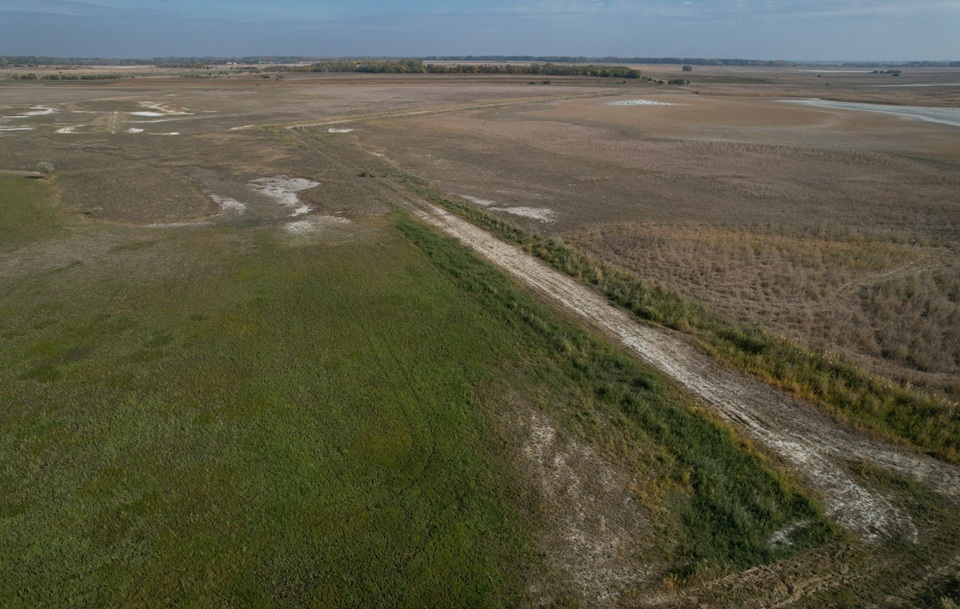
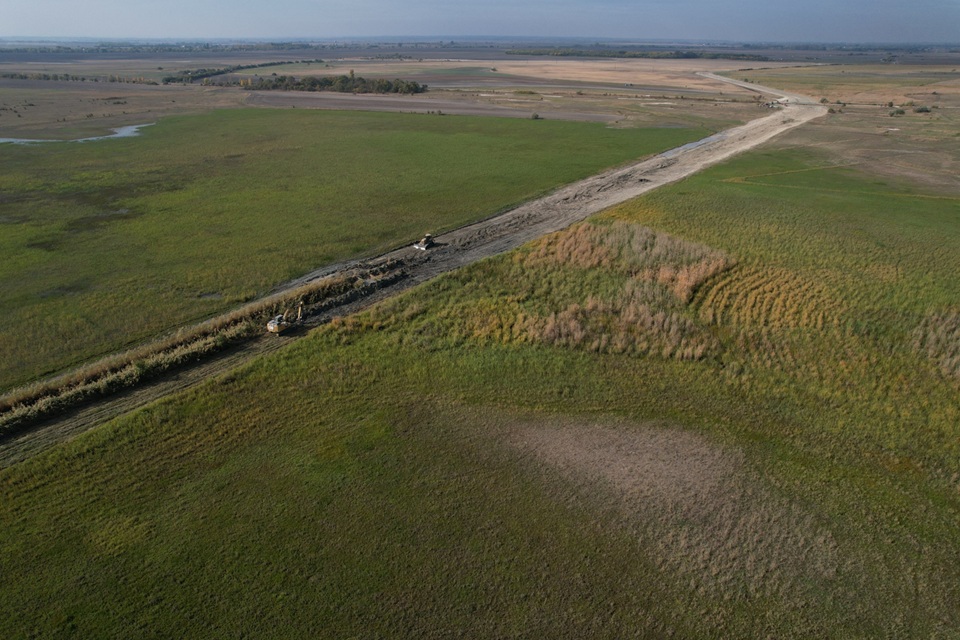
Within the framework of the LIFE+ project, we buried nearly 4 kilometers of ditches and elevated channels that had lost their function, once designed for intensive farming purposes, in the summer of 2021 by moving 7,000 m3 of earth, as a result of which the harmful effects on natural water dynamics were greatly reduced and the extent of the uniform saline lake bed increased.
The copyright owners of photos, audio and video recordings and of illustrations are the authors. Any use of them is prohibited, unless a written permission is obtained from the author or the project manager.





Kiskunság National Park Directorate
Krisztina Kiri
project manager
Phone: +36-30/149-3181
E-mail address: kirik@knp.hu